About Linux
Day02 #90daysofDevOpschallange

Hi there! My name is Yashswini and I'm a Linux Engineer with 3 years of experience in automation, continuous integration, and deployment. My expertise lies in DevOps and Cloud Computing with a focus on AWS. I have hands-on experience in various tools and technologies related to infrastructure automation, managed services, containerization, and monitoring and logging. I have a passion for troubleshooting and resolving issues and I'm always eager to learn and explore new technologies
1. Introduction
LINUX is an operating system or a kernel distributed under an open-source license. Its functionality list is quite like UNIX. The kernel is a program at the heart of the Linux operating system that takes care of fundamental stuff, like letting hardware communicate with software.
1.2 Architecture
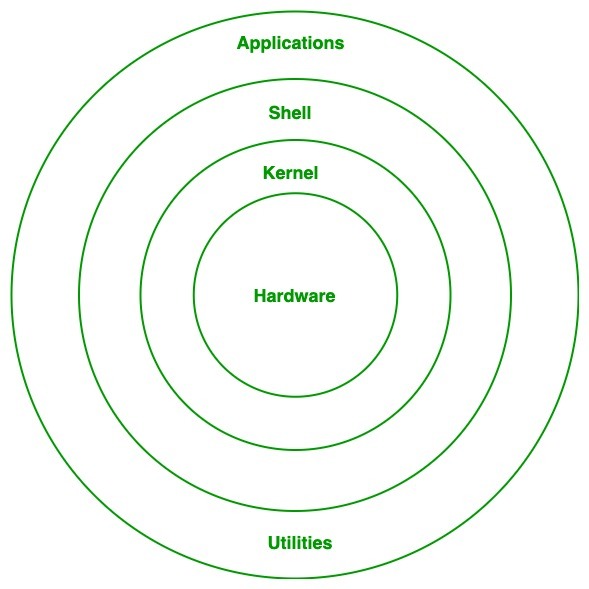
The following is a high-level overview of the main layers of the Linux architecture:
Hardware layer: This is the bottommost layer of the Linux architecture and represents the physical hardware components of the computer, such as the processor, memory, and storage. The hardware layer is responsible for interacting with the various hardware devices and providing access to them for the rest of the operating system.
Kernel layer: The kernel is the core of the operating system and is responsible for managing the resources of the computer, such as the CPU, memory, and I/O devices. It also provides services to the other components of the operating system and acts as the intermediary between the hardware and the software layers.
Shell:- It is an interface between the kernel and the user. It can afford the services of kernel. It can take commands through the user and runs the functions of the kernel. The shell is available in distinct types of OSes. These operating systems are categorized into two different types, which are graphical shells and command-line shells.
Applications: Applications are programs or types of software programs that run on top of the operating system and provide specific functionality to the user. Examples of applications include web browsers, media players, office suites, and development tools.
1.3 Features
Some of the key features of the Linux operating system include:
Open source: Linux is an open-source OS, which means that its source code is freely available to hard-core users to modify and redistribute as per their requirements.
Multi-user: Linux is designed to support multiple users simultaneously, with each user having their own user account and password and superuser privileges.
Security: It is known for its security features, such as user and file permissions, secure architecture, and regular security updates.
File system: Linux uses a hierarchical file system, similar to that of UNIX, which allows users to organize files and directories in a logical manner.
Multi-tasking: Linux is capable of running multiple processes and programs simultaneously, allowing single users to perform several tasks at once.
Package management: Linux distribution families typically include a package management system, which makes it easy for users to install, update, and remove software packages


![Jenkins Freestyle Project for DevOps Engineers[Day-23 Task]](/_next/image?url=https%3A%2F%2Fcdn.hashnode.com%2Fres%2Fhashnode%2Fimage%2Fupload%2Fv1690291895202%2Fc7012bdd-d2f6-44e4-8d64-6d071c0c7c39.png&w=3840&q=75)
